
Introduction
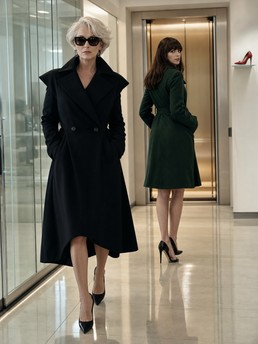
The Devil Wears Prada looks like a glamorous story about fashion, but it is really a story about power, choices, and personal values. Andrea “Andy” Sachs is a young graduate who dreams of a serious job in journalism. She accepts a position as an assistant to Miranda Priestly, the strict and legendary editor of a famous fashion magazine. At first, Andy thinks fashion is not important, but soon she learns that this world is fast, complex, and full of rules. The film follows her daily work, her mistakes, and her progress. It also shows how a job can change how you speak, dress, plan your time, and even think about yourself.
Work and Ambition
When Andy starts, she is lost. She does not know the designers, the schedule, or the office codes. Every day feels like a test. She runs across the city for coffee, samples, and last-minute deliveries. She answers calls, fixes problems, and tries to stay calm when plans change. Ambition pushes her forward. She begins to study names and collections at night. She organizes her tasks by urgency and learns to prepare two or three backup options for every request. Step by step, she becomes efficient and confident. This growth is exciting, but it also creates a question inside her: how much of herself should she give to this job to be seen as “good enough”?
Power and Pressure
Miranda does not need to raise her voice to control a room. Her short sentences, cool face, and exact standards create pressure by themselves. Everyone watches her reactions and tries to predict her needs. This atmosphere changes how people behave. They say yes before they think. They cancel family plans. They work late to avoid small mistakes. Andy first resists this culture, but slowly she adopts it. She starts to move faster, speak less, and hide her feelings. The film shows how a strong system can shape a person. You may not notice the change day by day, but in a few months your habits, your friends, and your free time can look very different.
Fashion as Language
Clothes in this film are not only decoration. They carry information about taste, status, and belonging. At the beginning, Andy wears simple, practical outfits and is invisible in the office. After Nigel helps her choose new pieces, people greet her differently. Meetings open more smoothly. Security guards and assistants smile and wave her through. The change does not make her smarter, but it changes how others listen. Fashion becomes a tool, like a good CV or a clear email. The movie does not say that style replaces talent. It shows that understanding the language of a field — its clothes, terms, and timing — can help your talent be seen.
Mentors, Allies, and Boundaries
Nigel is a patient mentor. He teaches Andy the calendar of fashion weeks, the difference between trends and classics, and the standard of excellence in their office. He also gives personal advice about courage and self-respect. With his help, Andy learns faster and makes fewer mistakes. However, the film also shows the limits of mentorship. A mentor can open a door, but cannot choose your values. Andy must decide how far she will go to please Miranda, which promises she will keep, and which compromises feel too heavy. Real growth means using guidance while protecting your own line in the sand.
Relationships and Trade-Offs
As Andy becomes successful at work, her private life begins to suffer. She arrives late to birthdays and dinners. She answers work messages during conversations. Friends feel unimportant, and her boyfriend feels pushed away. These scenes are simple but painful, because they are realistic. Many people know this problem: the more attention one part of life receives, the less energy remains for the rest. The film invites viewers to notice early signals — missed calls, tired mornings, quiet resentment — and to have honest talks about limits. It suggests that ambition should include a plan for rest, care, and time with the people who support you.
Ethics and Choice
Near the end, Andy sees how power really works. Miranda protects her position with quiet, strategic moves that save herself but hurt others. Andy understands that if she copies these methods, she will probably rise in the industry. She will also become someone she does not want to be. In a clear moment, she chooses differently. She steps away from the job, not because she is weak, but because she wants her work to match her values. The film treats this as a mature decision. Success without integrity feels empty; success with integrity may take longer, but it lets you look in the mirror without regret.
Ending and Meaning
In the final scenes, Andy is outside the world of high fashion, but she carries useful skills with her. She is better at planning, writing under pressure, and understanding professional standards. She thanks Miranda in her mind for the lessons, even if their paths are separate now. Most important, she has a clearer picture of herself. She knows what kind of career she wants and what limits she must keep. The ending is quiet, not dramatic, because the victory is internal. It is the calm confidence that comes when your actions and your identity finally match.
 Lingard
 Green Book: What the Film Teaches Us
 The Secrets of Oppenheimer: What the Film Really Tells Us
 The Secrets of Tenet: What the Film Really Tells Us
 Fascinating Facts About the Barbie Movie
 Surprising Facts About Squid Game
 Breaking Bad: Surprising Facts You May Not Know
 The Hunger Games: Interesting Facts You Didn't Know About the Movies
 Harry Potter: The Most Interesting Facts You Didn't Know
 Shrek: Fun Facts You Didn't Know
 Stranger Things: Surprising Facts About the Show
 The Secrets of Emily in Paris: What the Show Really Tells Us
 Fun Facts About the Madagascar Movies