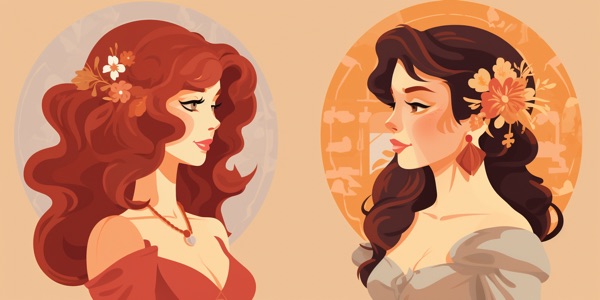
Fashion, much like history, has a way of repeating itself. It's an art form that reflects society, culture, and the spirit of its times. From flowing Renaissance gowns to modern minimalism, the fashion world has witnessed dramatic transformations over the centuries. This article will take you on a journey through the evolution of fashion, highlighting key eras that have shaped the way we dress today.
1. Renaissance (14th-17th Century)
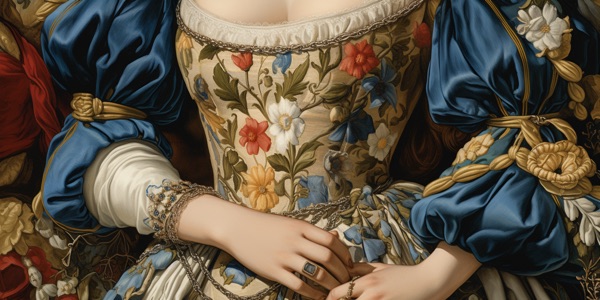
The Renaissance period was all about grandeur. As art and culture flourished, so did fashion. Rich fabrics like silk and velvet were favourites, and clothes often showcased detailed embroidery. Women's dresses were voluminous with intricate detailing, while men wore doublets and hose. Accessories like ruffs and jewelled headpieces were also popular.
2. Victorian Era (19th Century)
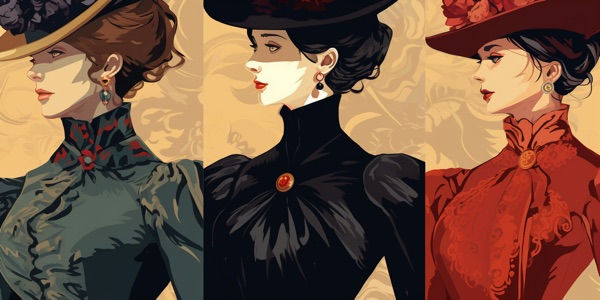
Named after Queen Victoria, this era saw dresses that were big and structured. Women wore corsets to achieve the desired silhouette and layers of petticoats under their gowns. Men's attire was formal, comprising tailored suits, waistcoats, and top hats.
3. Roaring Twenties (1920s)
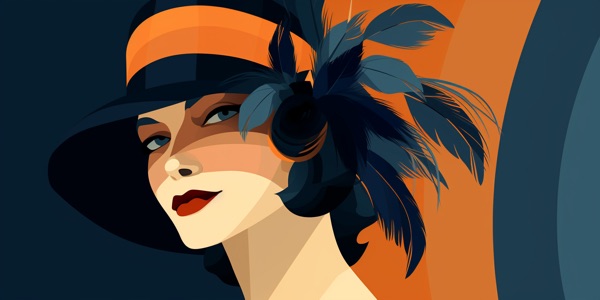
The 1920s was a decade of liberation, especially for women. The iconic 'flapper dress' became synonymous with this era, representing the newfound freedom and rebellious spirit of women. Men often sported pinstriped suits, bow ties, and fedora hats.
4. Mod and Hippie Era (1960s)
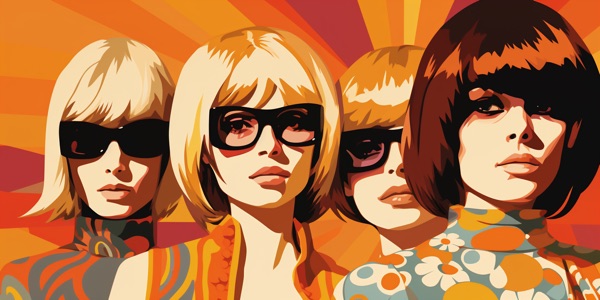
The 1960s was a decade of two distinct fashion styles. The early '60s was all about the mod look: mini skirts, go-go boots, and vibrant patterns. The late '60s, however, saw the rise of the hippie movement, marked by bell-bottoms, tie-dye shirts, and flower crowns.
5. Disco and Punk (1970s)
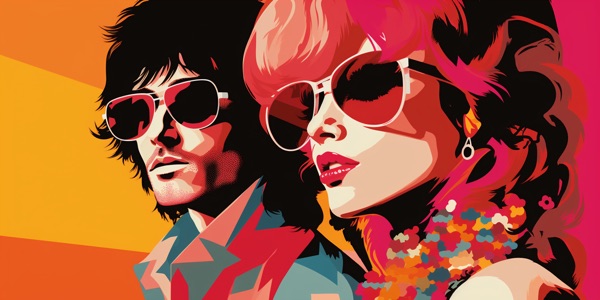
The '70s was a time of contrast. On one hand, there was the shimmering world of disco, with its glittery dresses and platform shoes. On the other, the punk scene emerged, characterized by leather jackets, ripped jeans, and an attitude of defiance.
6. Present Day
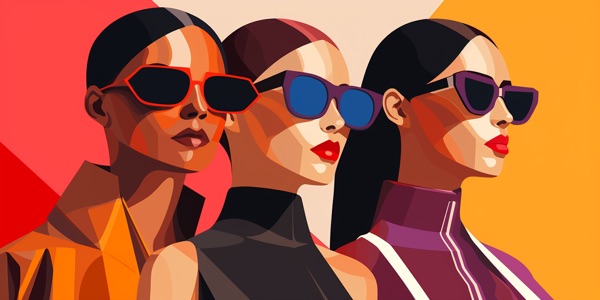
Today, fashion is diverse and inclusive. Trends from the past often make comebacks, but with modern twists. Sustainability has also become a focal point, with brands and consumers becoming more conscious of the environmental impact of fashion.
In conclusion, fashion is a reflection of society's changes, values, and aspirations. It's more than just clothes; it's a story of eras, cultures, and the ever-evolving definition of beauty and self-expression.
 Lingard
 The Impact of Social Media on the Evolution of the Fashion Industry
 Fashion and Comfort: Finding the Balance Between Style and Comfort
 Next-Gen Fashion: Gen Z Style Trends
 Why is Sustainable Fashion Important?
 The History of Accessories: How They Transformed Our Understanding of Style
 Fashion on the Runway and Everyday Life: What Gets Overlooked?
 Sustainable Fashion: Eco-friendly Approaches in the Industry
 Fashion and Culture: Traditions and Style in Different Countries
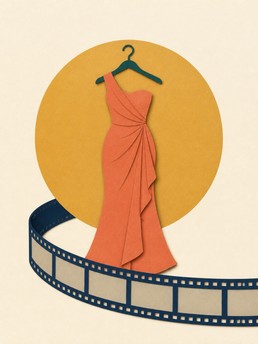 Iconic Costumes in Cinema: How Movie Scenes Influence Fashion
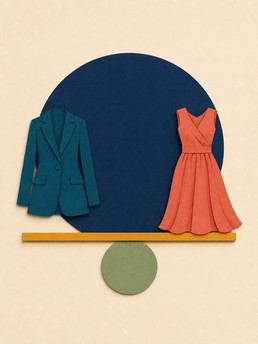 The Role of Women's Fashion in the Fight for Gender Equality
 Style Basics: Creating Your Own Unique Look
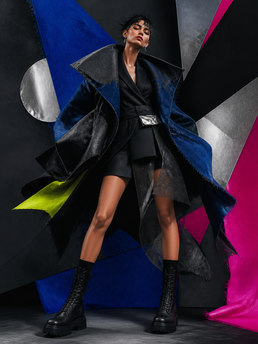 4 Key Fashion Trends in 2023