Fashion has always been about expressing individuality and cultural trends, but the industry's environmental footprint has been under increased scrutiny in recent years. As we come to understand the full impact of our choices, from sourcing materials to garment disposal, there's a growing call for a sustainable approach to fashion. Here's how the fashion industry is responding.
1. The Fast Fashion Conundrum
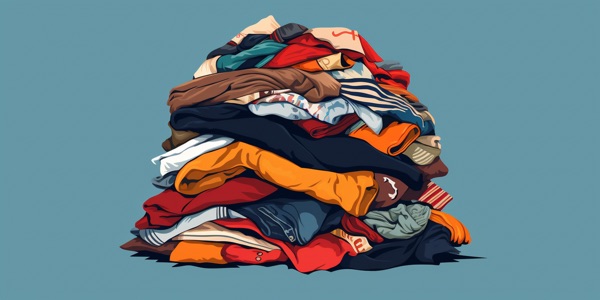
Fast fashion has democratized style, making it accessible to many. However, it's also brought about significant environmental concerns. The production rates are astonishing, with brands churning out multiple collections in a single year. The result? Vast amounts of waste, water overconsumption, and excessive carbon emissions. Some garments are worn only a few times before being discarded, exacerbating the issue of textile waste.
2. Ethical Sourcing and Production
For fashion to be genuinely sustainable, every step of the production chain needs examination. Ethical sourcing ensures materials are procured with minimal harm. Organic farming practices, for instance, eliminate harmful pesticides and use less water. Simultaneously, ethical production ensures workers are paid fairly and work in safe conditions, tackling both environmental and social issues head-on.
3. Embracing Slow Fashion

Opposing the fast fashion model, slow fashion advocates for quality and longevity. Brands adhering to this philosophy often produce fewer items but of higher quality, ensuring longevity. For consumers, it's about investing in timeless pieces, proper garment care, and resisting the allure of constant newness.
4. Recycling and Upcycling

Recycling and upcycling have emerged as pivotal strategies. Brands are now creating garments from recycled plastics and other materials. Upcycling, on the other hand, takes existing products and reworks them into something new and exciting. It's a creative solution that breathes new life into otherwise discarded items.
5. Conscious Consumerism

Empowered by information, today's consumers are more conscious than ever. People are actively seeking out brands that align with their values, be it eco-friendly practices, ethical production, or both. This shift has nudged even the most mainstream brands to reconsider their practices and be more transparent about their production processes.
6. Technology's Role in Sustainable Fashion
From 3D printing to AI, technology plays a crucial role in the evolution of sustainable fashion. Innovations like virtual fitting rooms can reduce the number of returns and associated carbon emissions. Meanwhile, blockchain technology is helping ensure transparency in supply chains, making it easier for consumers to verify a brand's sustainability claims.
In conclusion, as awareness about the environment and our role in its preservation grows, sustainable fashion isn't just a trend – it's a movement. And as this movement gains momentum, it promises a future where fashion and eco-consciousness go hand in hand.
 Lingard

 The History of Accessories: How They Transformed Our Understanding of Style
 Fashion on the Runway and Everyday Life: What Gets Overlooked?
 Fashion and Culture: Traditions and Style in Different Countries
 Iconic Costumes in Cinema: How Movie Scenes Influence Fashion
 The Role of Women's Fashion in the Fight for Gender Equality
 Evolution of Fashion: From the Past to the Present
 The Impact of Social Media on the Evolution of the Fashion Industry
 Fashion and Comfort: Finding the Balance Between Style and Comfort
 Next-Gen Fashion: Gen Z Style Trends
 Why is Sustainable Fashion Important?
 The school for astronauts hidden inside a Swiss mountain
 Your IELTS Game Plan