
Fashion is a dynamic entity, constantly evolving and shifting with societal changes. The stark distinction between runway fashion and everyday wear has always been a topic of discussion. While high-fashion runways introduce avant-garde and often impractical designs, daily wear tends to be more functional and realistic. So, what are the elements that bridge this gap, and what do we often overlook in this transition?
1. The Concept of Wearability

Runway shows often present designs that challenge the norms, break barriers, and introduce novel concepts. While these designs are mesmerising, their direct adaptation to everyday life can be challenging. Everyday fashion prioritises comfort, practicality, and longevity. This difference often leads to "watered-down" versions of runway designs in high street stores, making them more wearable for the average consumer.
2. The Role of Fast Fashion
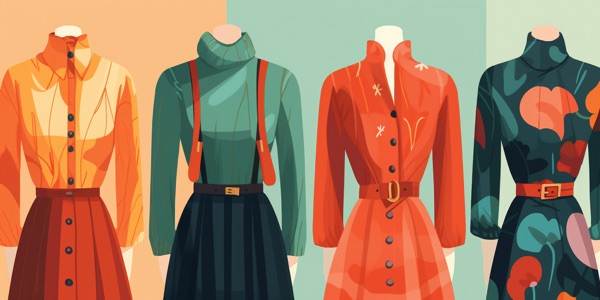
Fast fashion brands play a crucial intermediary role. They interpret high-fashion trends for the mass market, ensuring designs are affordable and functional. However, this translation can sometimes miss the original message or intention behind a designer's creation, leading to potential misunderstandings or misrepresentations.
3. Art vs. Functionality
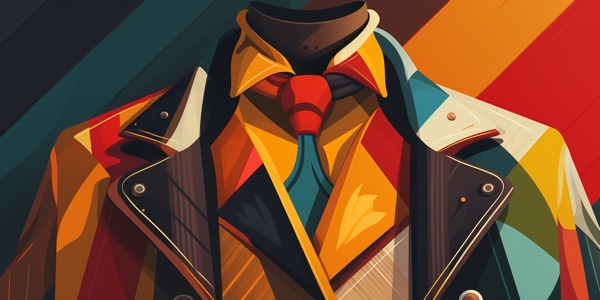
Runways often treat fashion as art, where designers express their vision, tell stories, or convey messages. On the other hand, daily wear leans more towards functionality. A significant portion of the artistic essence from the runway can get lost when designs are adapted for day-to-day use.
4. Economic Considerations

High-fashion pieces can be prohibitively expensive, limiting their audience. Everyday wear, meanwhile, must cater to a broader economic spectrum, considering various price points and ensuring accessibility. This need often results in compromises in material quality, design intricacy, and production methods.
5. Cultural Interpretations

A runway design inspired by a particular culture or tradition might be viewed as artistic. However, when replicated in everyday fashion without understanding or respect, it can tread into the territory of cultural appropriation. It's essential to recognise and appreciate the cultural origins of specific designs and avoid diluting or misrepresenting them.
6. Sustainability and Ethics
While sustainable and ethical practices are gaining traction in the fashion world, there's still a long way to go. Runway shows often prioritise aesthetics over sustainability. In contrast, everyday fashion, especially in the fast fashion segment, has been criticised for unsustainable practices and questionable ethics.
 Lingard
 The History of Accessories: How They Transformed Our Understanding of Style
 Sustainable Fashion: Eco-friendly Approaches in the Industry
 Fashion and Culture: Traditions and Style in Different Countries
 Iconic Costumes in Cinema: How Movie Scenes Influence Fashion
 The Role of Women's Fashion in the Fight for Gender Equality
 Evolution of Fashion: From the Past to the Present
 The Impact of Social Media on the Evolution of the Fashion Industry
 Fashion and Comfort: Finding the Balance Between Style and Comfort
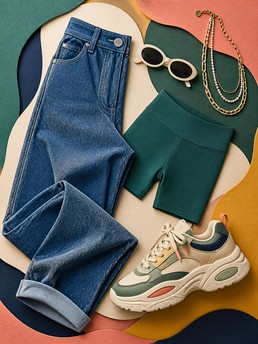 Next-Gen Fashion: Gen Z Style Trends
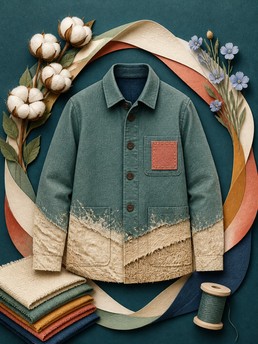 Why is Sustainable Fashion Important?
 The school for astronauts hidden inside a Swiss mountain
 Your IELTS Game Plan