
Fashion has always been a powerful tool for self-expression, but its significance goes beyond aesthetics. Over the years, women's fashion has played a pivotal role in the ongoing struggle for gender equality. From challenging societal norms to breaking stereotypes, this article explores how women's fashion has become a platform for promoting empowerment, diversity, and inclusivity.
1. Embracing Individuality and Breaking Stereotypes
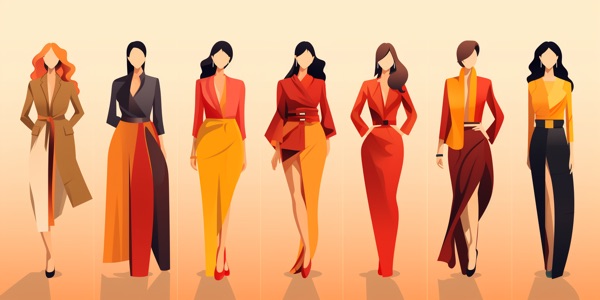
Women's fashion has evolved to celebrate individuality and break away from traditional gender stereotypes. Designers have been instrumental in creating gender-neutral and inclusive clothing lines that reject rigid gender norms. By embracing diverse styles and silhouettes, women's fashion empowers individuals to express their identities authentically, regardless of societal expectations.
2. The Power of Pantsuits
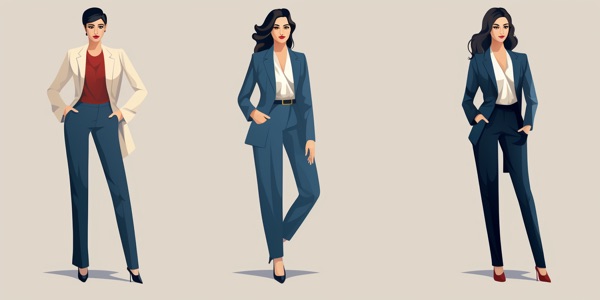
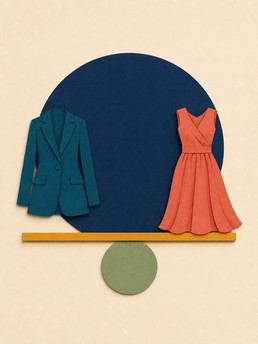
Pantsuits, once considered exclusively male attire, have emerged as a powerful symbol of female empowerment. Pioneered by trailblazers like Coco Chanel and later embraced by powerful women like Hillary Clinton, pantsuits represent the breaking of barriers and the assertion of women's authority in traditionally male-dominated spaces. They embody the idea that women can be both stylish and strong, challenging the notion that femininity and power are mutually exclusive.
3. Body Positivity and Inclusivity
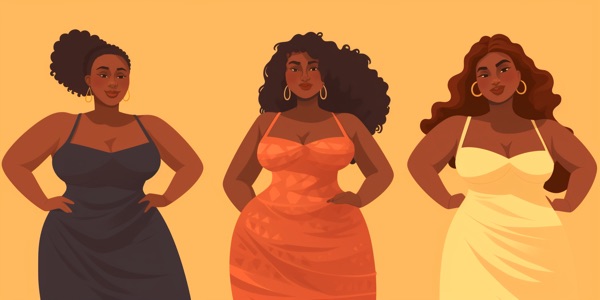
Women's fashion has made significant strides in promoting body positivity and inclusivity. In an industry that was once fixated on promoting unattainable beauty standards, there is now a growing emphasis on representing diverse body types and skin tones. Models of different sizes, colors, and backgrounds grace runways and campaigns, fostering a more inclusive and accepting view of beauty.
4. Championing Female Designers and Entrepreneurs

The rise of female designers and entrepreneurs in the fashion industry has led to increased representation and recognition of women's contributions. From luxury fashion houses to independent labels, women are leaving their mark and shaping the industry's narrative. Their success serves as an inspiration to young girls and aspiring designers, proving that women can thrive and lead in a traditionally male-dominated field.
5. Supporting Sustainable and Ethical Fashion
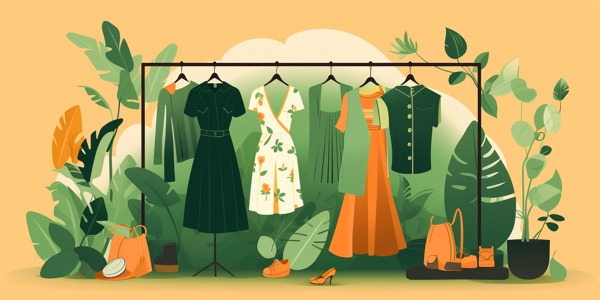
Women's fashion is also leading the way in promoting sustainable and ethical practices. Consumers are becoming more conscious of the environmental and social impact of their clothing choices. As a result, the demand for eco-friendly and fair-trade fashion is on the rise, with women at the forefront of advocating for a more sustainable industry.
 Lingard
 The History of Accessories: How They Transformed Our Understanding of Style
 Fashion on the Runway and Everyday Life: What Gets Overlooked?
 Sustainable Fashion: Eco-friendly Approaches in the Industry
 Fashion and Culture: Traditions and Style in Different Countries
 Iconic Costumes in Cinema: How Movie Scenes Influence Fashion
 Evolution of Fashion: From the Past to the Present
 The Impact of Social Media on the Evolution of the Fashion Industry
 Fashion and Comfort: Finding the Balance Between Style and Comfort
 Next-Gen Fashion: Gen Z Style Trends
 Why is Sustainable Fashion Important?
 The school for astronauts hidden inside a Swiss mountain
 Your IELTS Game Plan