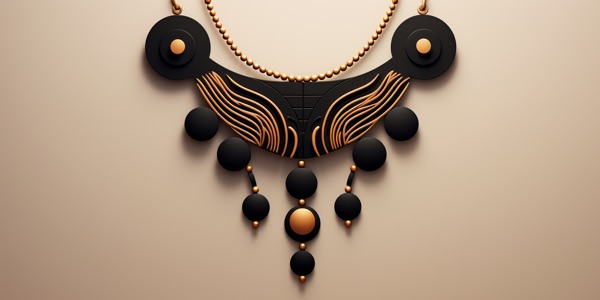
Accessories have always been more than just embellishments; they are storytellers of time, culture, and personal expression. From the ancient times to the modern era, accessories have evolved, influencing and reflecting changes in fashion, society, and individual identity. Let's delve into the captivating journey of accessories and their impact on our perception of style.
1. Beginnings in Ancient Civilizations
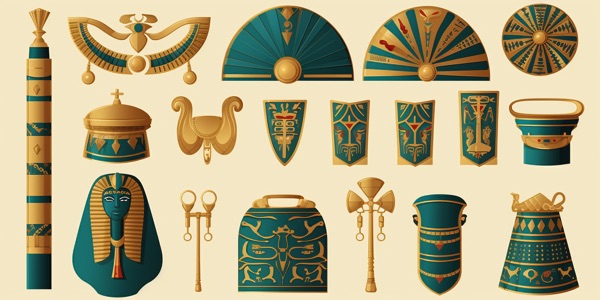
The story of accessories begins in ancient civilizations. The Egyptians, known for their opulent adornment, used jewelry not just for beautification but also for protection and symbolism. Beads, bracelets, and brooches were often made with gold and embedded with precious stones, signifying wealth and status. In ancient Rome and Greece, accessories like laurel wreaths and ornate belts were significant in social and political realms.
2. Middle Ages: Symbolism and Functionality
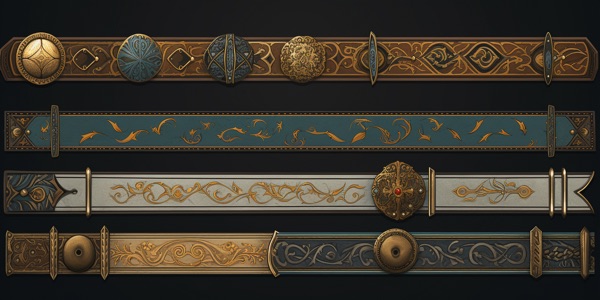
In the Middle Ages, accessories served both functional and symbolic purposes. The girdle, a common accessory, was not just a fashion statement but also a practical item for attaching pouches or keys. Jewelry often bore religious or amorous symbols. Knights wore tokens from their ladies, and the clergy adorned themselves with religiously significant pieces.
3. Renaissance: The Rise of Artistry
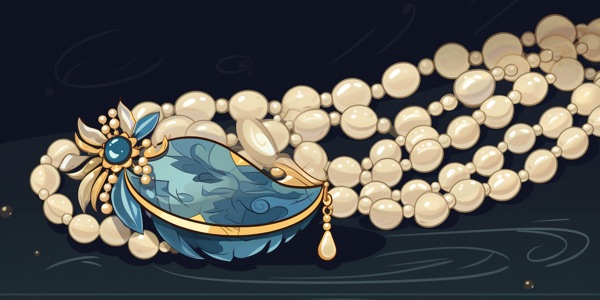
The Renaissance era saw a surge in artistic expression in accessories. Intricately designed pieces with exquisite craftsmanship became popular among the wealthy. Pearls and gemstones were highly prized, and the invention of the pocket watch added a new dimension to functional accessories.
4. 18th and 19th Centuries: Industrial Revolution and Democratization of Accessories
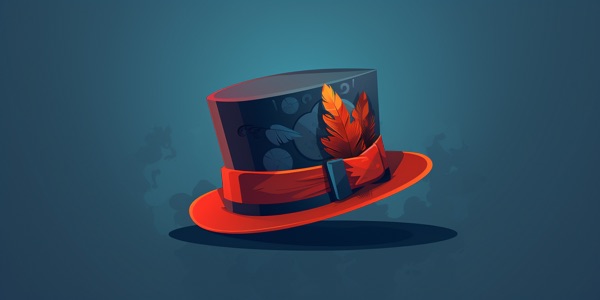
The Industrial Revolution brought about significant changes in accessory production. Mass production made accessories more accessible to the middle class, diminishing the gap between the aristocracy and the bourgeoisie. The 19th century also saw the rise of accessories like the top hat, which became a symbol of gentlemanly status.
5. 20th Century: Expression of Individuality
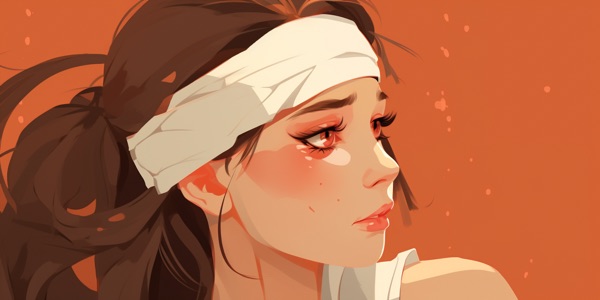
The 20th century marked a shift towards individualism in fashion. Accessories became a means of personal expression. From the flapper headbands of the 1920s to the rebellious leather jackets of the 1950s, accessories mirrored societal changes and individual attitudes. The latter half of the century saw the rise of designer brands, with accessories becoming a way to signify fashion consciousness.
6. Contemporary Era: Eclectic Influences and Sustainability
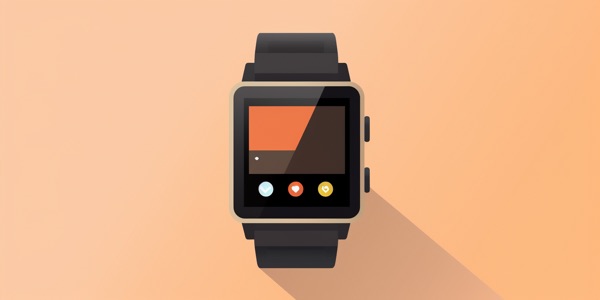
Today, accessories draw from a vast array of influences, reflecting the eclectic nature of contemporary fashion. There's an increasing focus on sustainable and ethically produced accessories, resonating with a growing environmental consciousness. Technology has also made its mark, with smartwatches and tech-integrated accessories becoming increasingly popular.
7. The Future: Innovation and Personalization
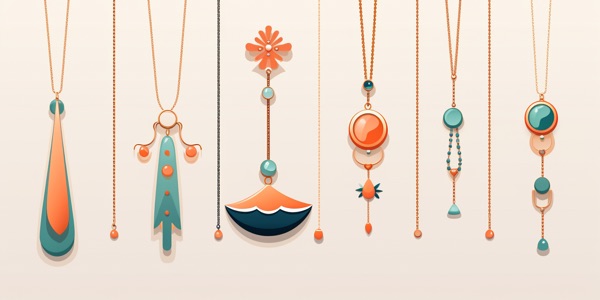
Looking forward, the future of accessories seems to hinge on innovation and personalization. The integration of technology and the rise of customizable accessories are set to redefine their role in fashion. Accessories will likely continue to serve as key indicators of style, culture, and individual preferences.
 Lingard
 Fashion on the Runway and Everyday Life: What Gets Overlooked?
 Sustainable Fashion: Eco-friendly Approaches in the Industry
 Fashion and Culture: Traditions and Style in Different Countries
 Iconic Costumes in Cinema: How Movie Scenes Influence Fashion
 The Role of Women's Fashion in the Fight for Gender Equality
 Evolution of Fashion: From the Past to the Present
 The Impact of Social Media on the Evolution of the Fashion Industry
 Fashion and Comfort: Finding the Balance Between Style and Comfort
 Next-Gen Fashion: Gen Z Style Trends
 Why is Sustainable Fashion Important?
 The school for astronauts hidden inside a Swiss mountain
 Your IELTS Game Plan