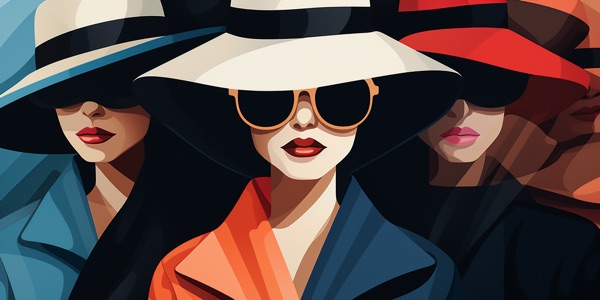
In the digital age, social media has revolutionized the way we communicate, share, and access information. One of the most significant areas influenced by social media is the fashion industry. From trends to advertising, this article delves into how social media has transformed and shaped the world of fashion.
1. Instant Access to Trends

Social media platforms provide fashion enthusiasts with instant access to the latest trends. Users can follow fashion influencers, brands, and celebrities to stay updated on the hottest styles. Through visual platforms like Instagram, fashion inspiration is just a scroll away, allowing individuals to discover and incorporate new trends into their personal style.
2. Democratisation of Fashion
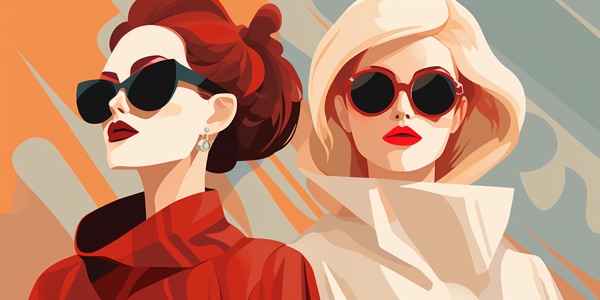
Social media has democratized the fashion industry by giving a platform to emerging designers, bloggers, and stylists. Anyone with a unique fashion perspective can showcase their work and gain a following, breaking down traditional barriers to entry. This diversification of voices and perspectives has led to a more inclusive and dynamic fashion landscape.
3. Influencer Marketing
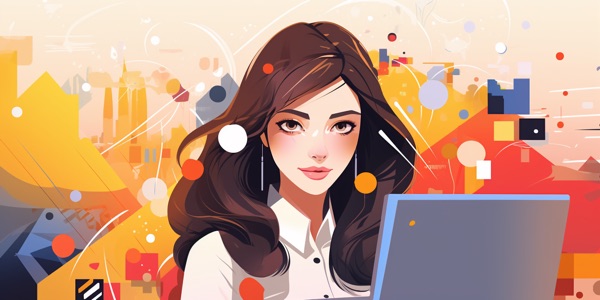
Influencer marketing has become a dominant force in fashion advertising. Social media influencers collaborate with brands to promote products to their followers, effectively merging marketing with authentic content creation. Influencers' ability to connect with audiences on a personal level has reshaped how brands reach their target demographics.
4. Real-time Fashion Weeks

Social media has transformed traditional fashion weeks into global, real-time events. Designers now live-stream their shows, enabling audiences worldwide to experience the excitement and creativity of runway presentations. This digital accessibility has opened the doors of high fashion to a broader audience, transcending geographical limitations.
5. Shaping Consumer Behavior

Social media has a profound influence on consumer behavior and shopping habits. The "see now, buy now" model allows users to instantly purchase items they see on social media platforms. Additionally, user-generated content, such as reviews and outfit posts, impact purchasing decisions, as consumers seek authentic perspectives before making choices.
6. Fostering Sustainability and Transparency
Social media has pushed the fashion industry towards greater transparency and sustainability. Consumers can demand ethical practices and hold brands accountable for their actions. Platforms amplify conversations about ethical sourcing, eco-friendly materials, and fair labor practices, leading to positive changes within the industry.
 Lingard

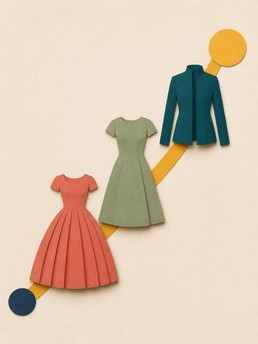 Evolution of Fashion: From the Past to the Present
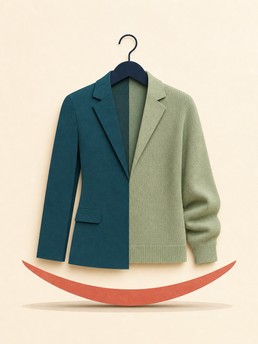 Fashion and Comfort: Finding the Balance Between Style and Comfort
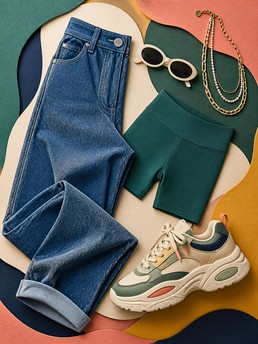 Next-Gen Fashion: Gen Z Style Trends
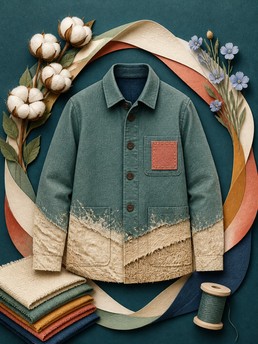 Why is Sustainable Fashion Important?
 The History of Accessories: How They Transformed Our Understanding of Style
 Fashion on the Runway and Everyday Life: What Gets Overlooked?
 Sustainable Fashion: Eco-friendly Approaches in the Industry
 Fashion and Culture: Traditions and Style in Different Countries
 Iconic Costumes in Cinema: How Movie Scenes Influence Fashion
 The Role of Women's Fashion in the Fight for Gender Equality
 Style Basics: Creating Your Own Unique Look
 4 Key Fashion Trends in 2023