The words readers of this text looked up most, each with its meaning and the line it comes from.
impulsivity / ɪmˈpʌlsɪvənəs /nounThe quality of being impulsive; acting without thinking
ADHD is commonly characterized by symptoms such as inattention, hyperactivity, and impulsivity.
rashnessspontaneity
exacerbate / ɪɡˈzæsərbeɪt /verbTo make a problem or situation worse
Misdiagnosis can lead to inappropriate treatments that not only fail to alleviate the symptoms of ADHD but potentially exacerbate the underlying condition.
aggravateworsen
comprehensive / ˌkɑːmprɪˈhensɪv /adjectiveIncluding or dealing with all or nearly all elements or aspects of something
They are particularly noted for their progressive and comprehensive approaches to understanding and managing ADHD.
thoroughcompleteexhaustive
underpinnings / ˌʌndərˈpɪnɪŋz /nounfundamental basis or support
The theory has strong biological underpinnings.
foundationsbasisinfrastructure
distractibility / dɪˈstræktɪbɪləti /nounThe state of being easily distracted or having difficulty focusing
His distractibility made it hard to complete tasks.
attention deficitinattentionfocus
hyperactivity / ˌhaɪpərækˈtɪvəti /nounA condition characterized by excessive activity and difficulty in maintaining attention
The child's hyperactivity made it difficult for him to focus in class.
impulsivityinattention
to thrive / tuː θraɪv /verbTo prosper or flourish; to grow vigorously
With the right support, individuals with ADHD can thrive.
flourishprospersucceed
mitigate / ˈmɪtɪɡeɪt /verbMake less severe, serious, or painful
These strategies can mitigate the negative impacts of the condition.
alleviatereducelessenease
inattentive / ˌɪnəˈtentɪv /adjectiveMarked by or resulting from failure to concentrate
The key difference between ADHD and the former ADD is that ADHD includes three subtypes: primarily inattentive, primarily hyperactive-impulsive, and combined.
distractedforgetfulcareless
to cause worry or problems for someone or something
The long hours strain their relationship.
burdenovertaxtaxtry
abrupt / əˈbrʌpt /adjectivesudden and unexpected
The impulsivity and emotional dysregulation that are common in ADHD can result in abrupt outbursts of anger.
suddenunexpected
alleviate / əˈliːvieɪt /verbTo make suffering, deficiency, or a problem less severe
Medication can alleviate symptoms.
relieveeasemitigate
 Lingard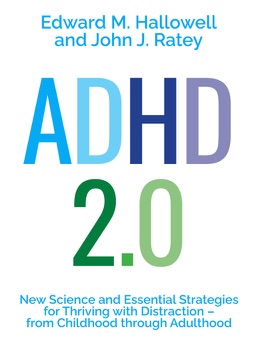
 The Body Keeps the Score
 Survival of the Friendliest
 The Psychology of Money
 Rich Dad, Poor Dad
 The Laws of Human Nature
 The Practice of Not Thinking
 Evolve Your Brain
 Sapiens
 Flow
Flow
 The Daily Laws
 How the World Really Works
 Shift
Shift