The words readers of this text looked up most, each with its meaning and the line it comes from.
assumptions / əˈsʌmpʃ(ə)nz /nounA thing that is accepted as true or as certain to happen, without proof
My central assumption was wrong.
presuppositionbeliefsupposition
prejudices or inclinations
In this way, technology can reinforce biases.
prejudiceinclination
societal / səˈsaɪədl /adjectiveRelating to society or its organization
The study examined the societal impact of technology on education.
socialcommunalcultural
outward / ˈaʊtwərd /adjectiveeasily seen; obvious
The outward appearance of the building was quite impressive.
externalvisible
deliberate / dɪˈlɪbərət /adjectiveCarefully weighed or considered; studied; methodical
Understanding strangers becomes a more deliberate process.
calculatedintentionalpurposeful
myopia / maɪˈoʊ.pi.ə /nounNearsightedness; a condition in which close objects appear clearly, but far ones do not
His myopia required him to sit at the front of the classroom.
nearsightednessshortsightedness
default to truth / dɪˈfɔːlt tə truːθ /noundefault to truth
The 'default to truth' theory suggests that we initially accept information as true.
A subtle difference in or shade of meaning, expression, or feeling
His argument lacked nuance.
subtletydelicacyrefinement
To examine or investigate something thoroughly and carefully
His work often delves into complex topics.
exploreinvestigateexamine
misunderstandings / ˌmɪsʌndərˈstændɪŋz /nounFailures to understand something correctly
Many misunderstandings arise from miscommunication.
misconceptionmisinterpretationerror
behavior / bɪˈheɪvjər /nounThe way in which one acts or conducts oneself, especially towards others
The study analyzed how the change in environment affected human behavior.
conductactionsdemeanor
broader / ˈbrɔːdər /adjectiveextensive or far-reaching
They need to consider the broader implications of the new legislation.
widermore comprehensive
 Lingard
 The Psychology of Money
 Rich Dad, Poor Dad
 The Laws of Human Nature
 The Practice of Not Thinking
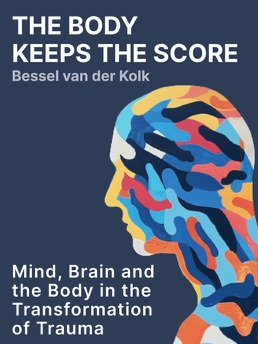 The Body Keeps the Score
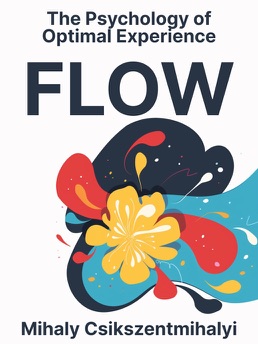 Flow
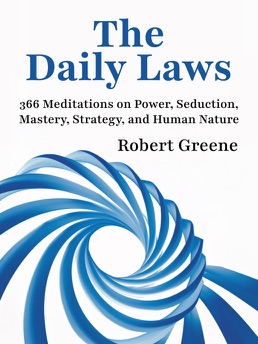 The Daily Laws
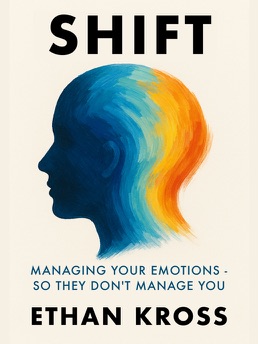 Shift
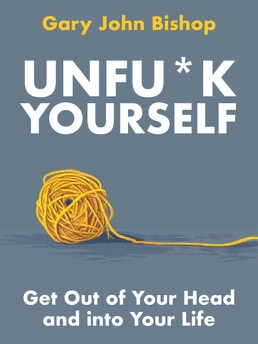 Unfu*k Yourself
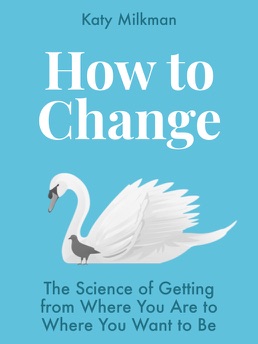 How to Change
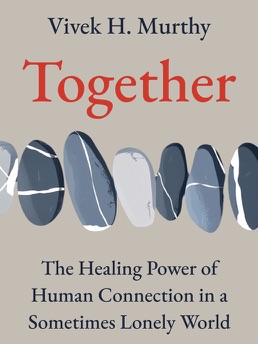 Together
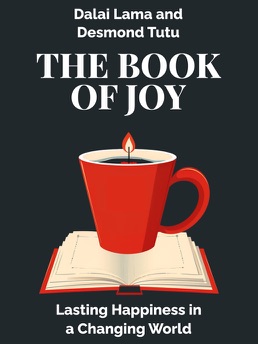 The Book of Joy