














Lingard
Tous les livres en anglais
Lectures d’une minute · nouvelles publications chaque jour

Anecdotes en anglais

De courtes publications en anglais simple sur l’espace, la nature, l’histoire et la vie quotidienne : un fait étonnant, un mythe à vérifier, une astuce pratique ou l’histoire d’un mot.

Commencer à lire gratuitement

En bref

Faits, mythes et astuces en une minute

Faits étonnants

Voyages · 27 novembre

Why are Venice gondolas black?

Every traditional gondola in Venice is black. This comes from a strict law from the 16th century.

Nature · 26 novembre

Are mushrooms more like humans than plants?

You might think mushrooms are plants. However, they are genetically closer to humans!

Inventions · 23 novembre

Who really found the first computer bug?

In 1947, a real moth got trapped inside a massive computer. However, the famous pioneer Grace Hopper probably did not find it.

Espace · 23 novembre

Can a day be longer than a year?

On the planet Venus, a single day lasts longer than an entire year.

Arts · 21 novembre

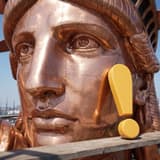
Why is the Statue of Liberty green?

The Statue of Liberty was not always green. In 1886, it was a shiny, penny-brown color.

Inventions · 19 novembre

How bubble wrap was invented

In 1957, inventors created bubble wrap to be textured plastic wallpaper. They wanted to sell it to the young Beat generation.

Nature · 19 novembre

Have sharks lived longer than trees?

Sharks swam in the oceans before the first trees grew on land.

Mots · 17 novembre

Why are political candidates called shining white?

The word candidate literally means shining white. This came from an ancient Roman trick to look honest.

Cuisine · 17 novembre

Can honey really last forever?

Honey is one of the only foods that can never spoil. Scientists found honey from ancient Egyptian tombs that is still good to eat.

Inventions · 17 novembre

Why is your keyboard arranged this way?

Many people think creators made the QWERTY keyboard to slow down your typing. However, researchers now say this popular story is just a myth.

Histoire · 17 novembre

Why did emperors eat with aluminum spoons?

In the mid-1800s, aluminum was more valuable than gold. It was extremely rare and difficult to produce.

Psychologie · 17 novembre

Is the doorway effect actually real?

Do you sometimes enter a room and forget why? The famous "doorway effect" might not be real.

Mythe ou réalité ?

Arts · 25 novembre

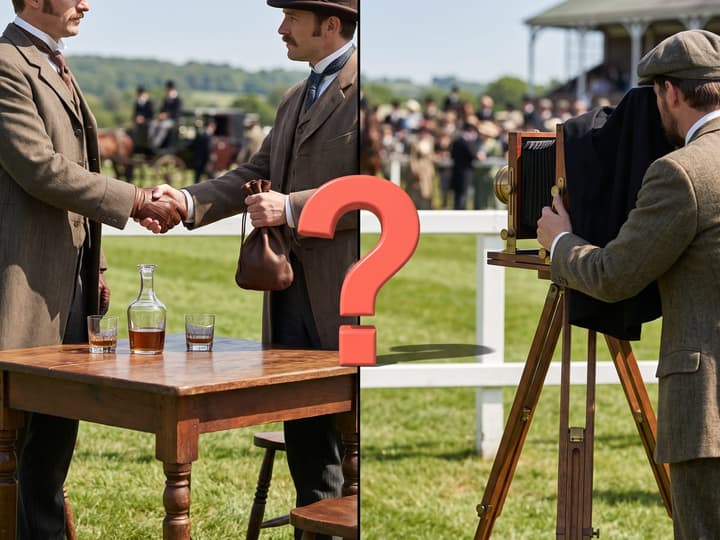
Did a bet create the first motion picture?

The first photos of a galloping horse were made to settle a $25,000 bet.

Nature · 25 novembre

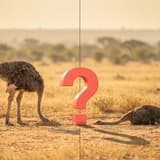
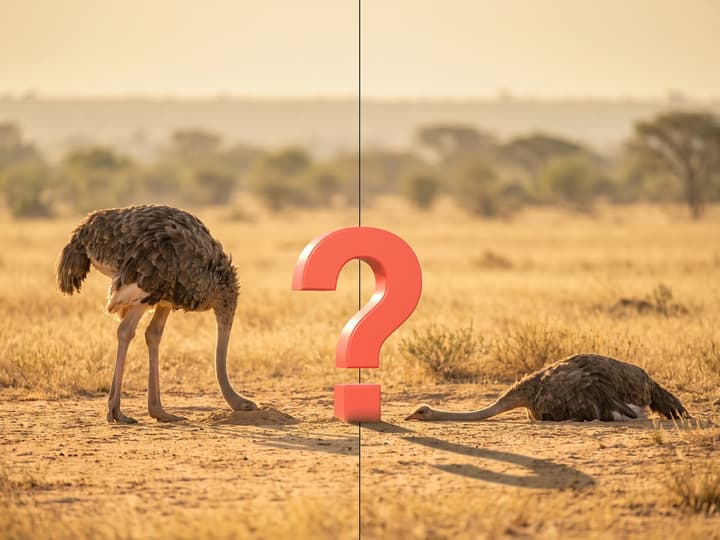
Do ostriches really bury their heads?

Ostriches bury their heads in the sand when they are afraid.

Nature · 24 novembre

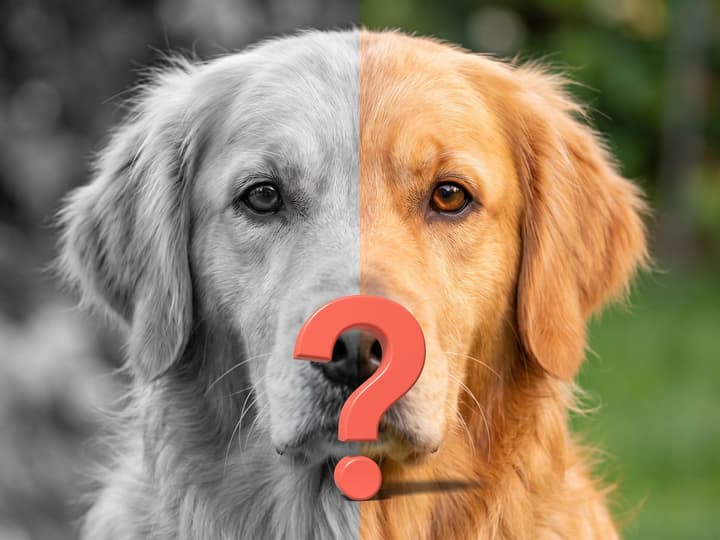
Can dogs see colors?

Dogs can only see the world in black, white, and shades of gray.

Nature · 21 novembre

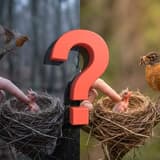
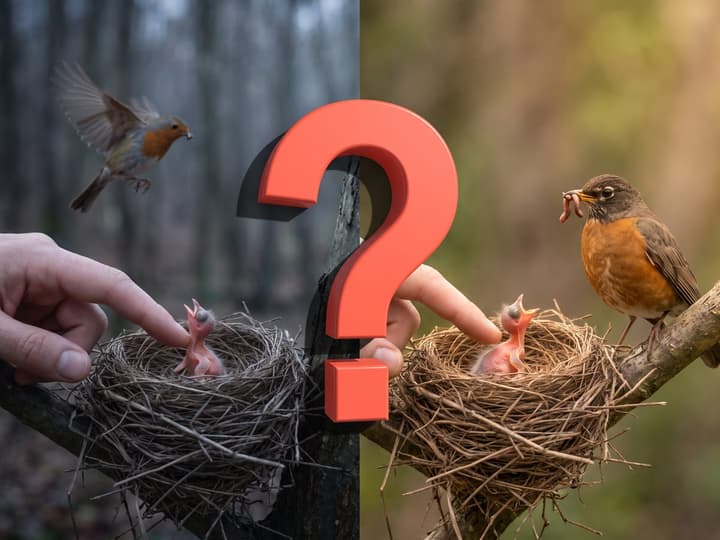
Will a mother bird abandon touched babies?

Touching a baby bird leaves a human scent on it. This scent drives the mother to abandon her young.

Nature · 20 novembre

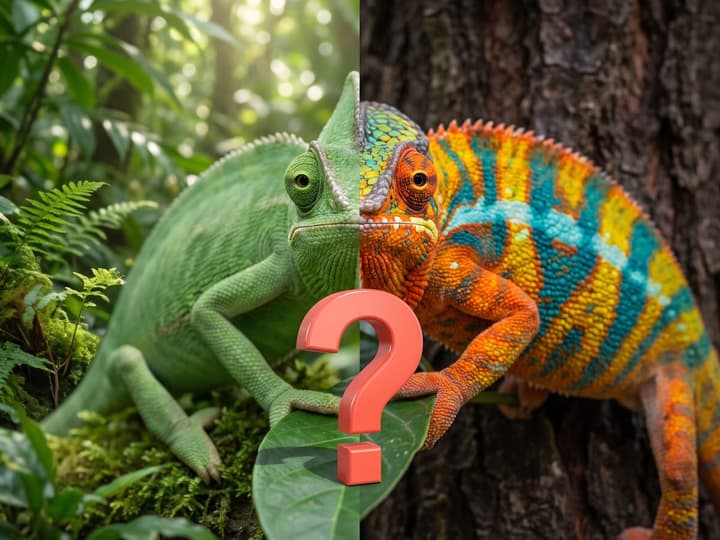
Why do chameleons change color?

Chameleons change their skin color to blend in with their background. This helps them hide from dangerous enemies.

Nature · 18 novembre

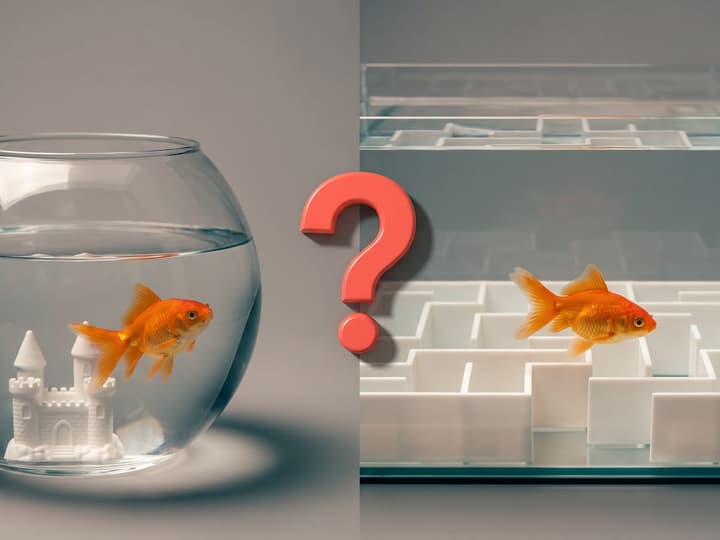
Do goldfish really forget everything?

Goldfish have a memory span of only three seconds.

Inventions · 18 novembre

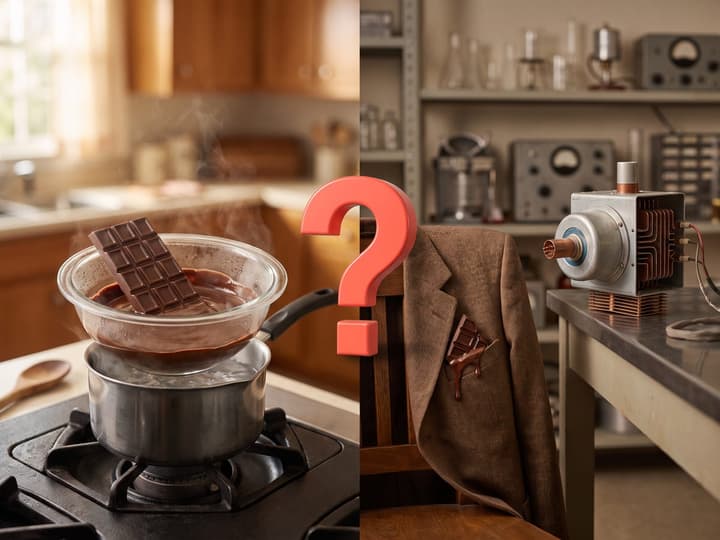
The accidental invention of the microwave

The microwave oven was invented because a chocolate bar melted in a scientist's pocket.

Nature · 17 novembre

How much does a cloud weigh?

Many people believe clouds have almost no weight. They think clouds float like helium balloons.

Espace · 17 novembre

Why do astronauts float in space?

Astronauts float because there is no gravity in space.

Inventions · 16 novembre

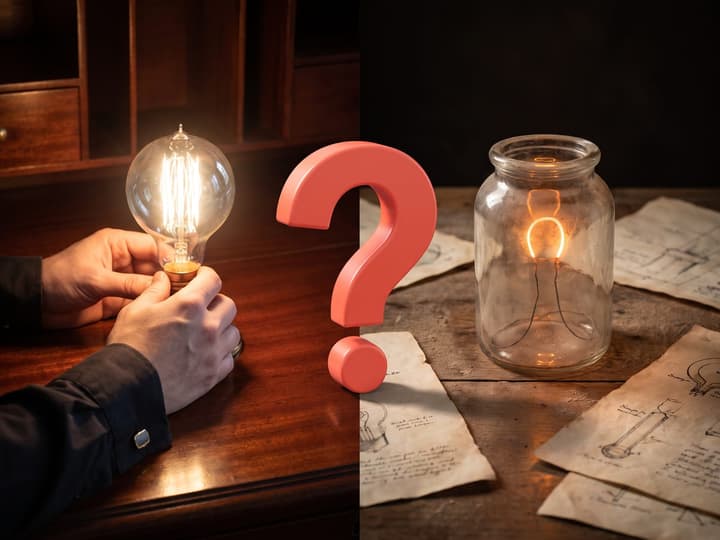
Did Thomas Edison invent the light bulb?

Thomas Edison invented the first light bulb.

Voyages · 16 novembre

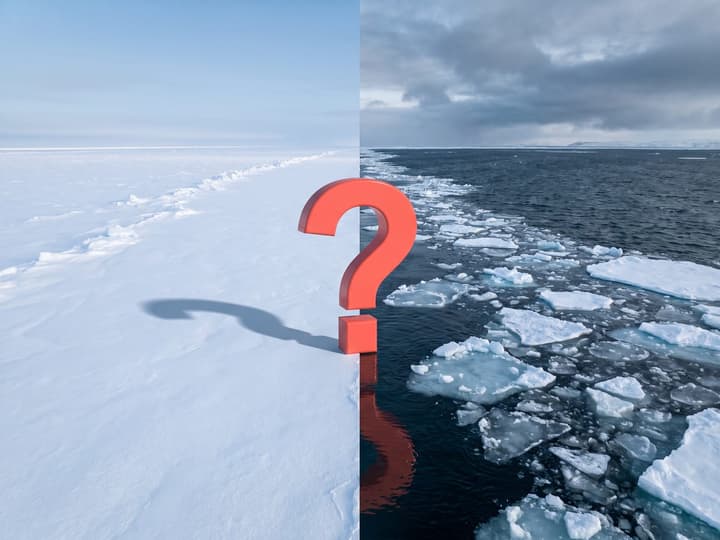
Can you walk from the US to Russia?

Some people believe you can walk from the US to Russia in winter. They say this is possible when the ocean freezes.

Arts · 16 novembre

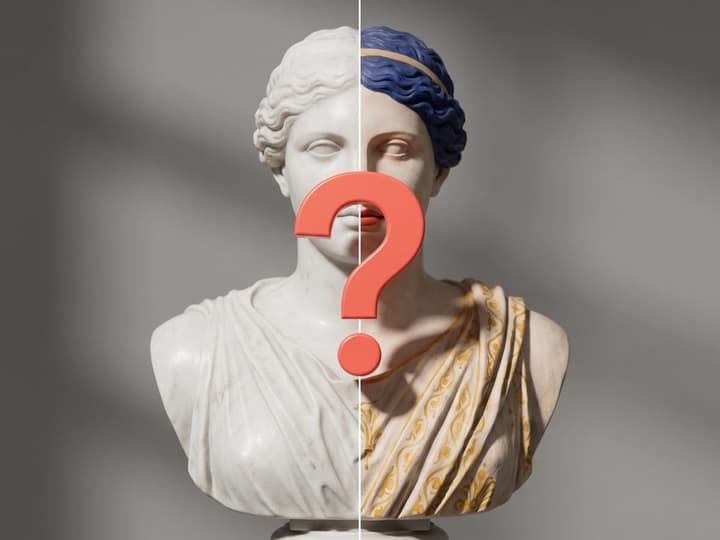
Were ancient marble statues always white?

Ancient Greek and Roman marble statues were originally white.

Astuces pratiques

Voyages · 27 novembre

How to navigate foreign cities offline

Using mobile data in foreign countries can be incredibly expensive. You can navigate any foreign city completely offline without mobile data.

Voyages · 26 novembre

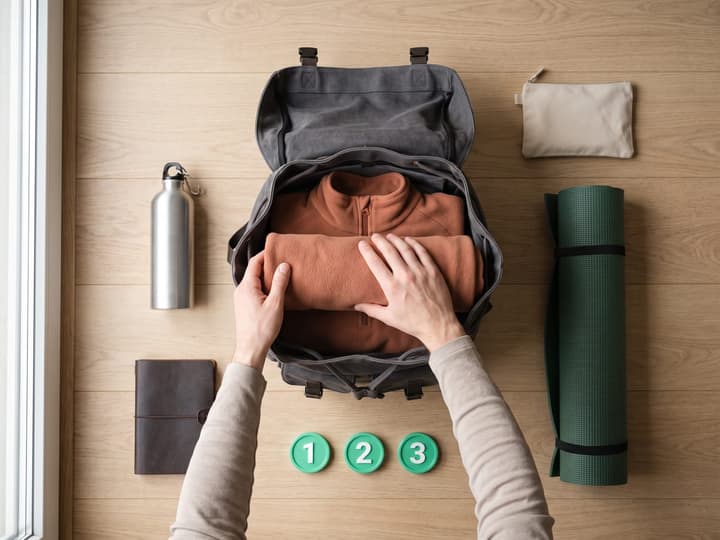
How to pack your backpack safely

Carrying a heavy backpack can strain your back, shoulders, and neck. You will learn to pack it correctly using science.

Maison · 25 novembre

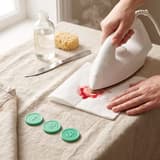
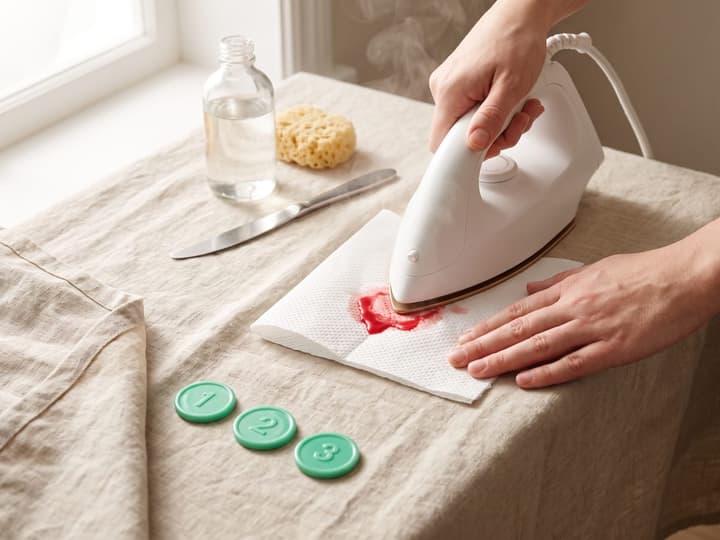
How to remove candle wax from fabric

Spilled candle wax can ruin your fabric or carpet. You can remove it safely with a warm iron and paper towels.

Maison · 24 novembre

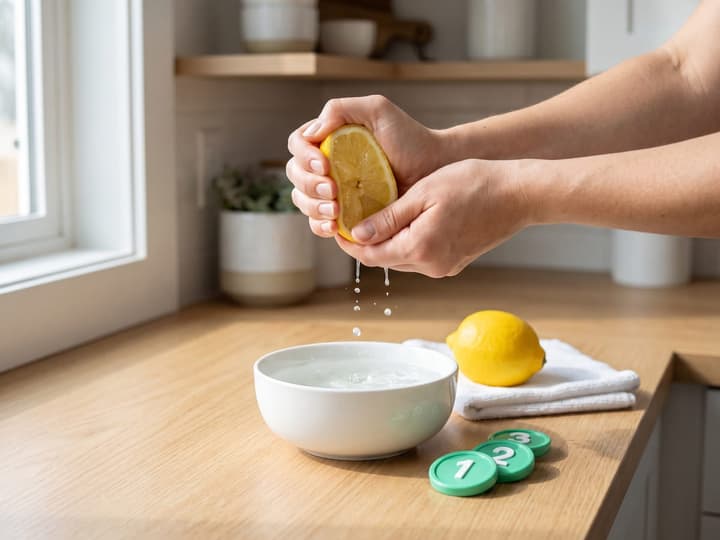
How to clean your microwave with a lemon

Your microwave gets covered in stubborn grease and food splatters. You can easily clean it without scrubbing.

Argent · 23 novembre

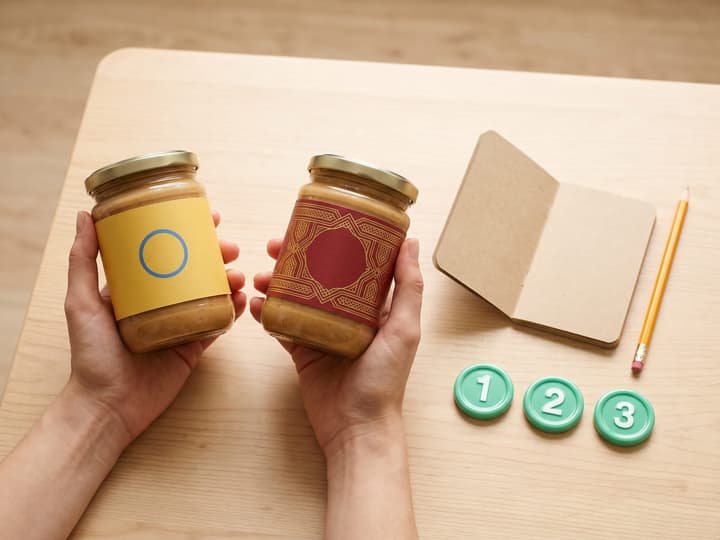
How to find cheaper supermarket products

Supermarkets place expensive brands at your eye level. Today, you will learn how to find the best-value products easily.

Cuisine · 21 novembre

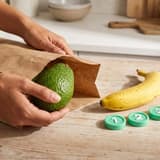
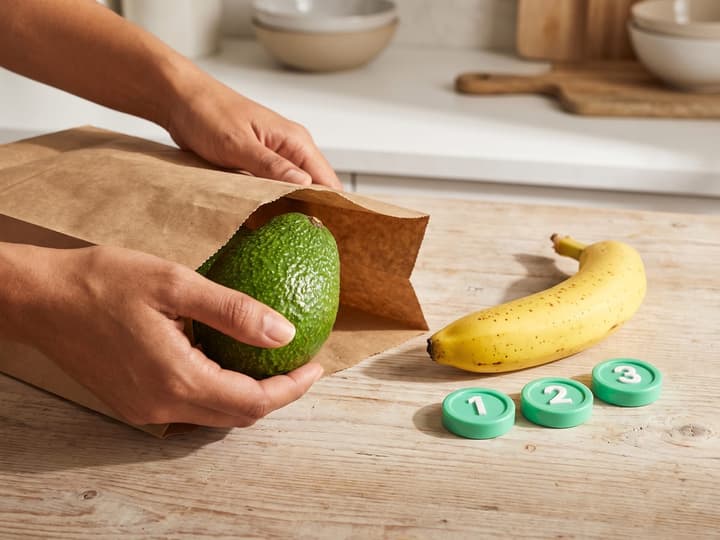
How to ripen an avocado quickly

Unripe avocados take days to become soft. This is frustrating when you want guacamole. You can ripen them much faster.

Psychologie · 17 novembre

How to calm your brain quickly

When you get stressed, your heart and breathing speed up. You can quickly calm your brain with a simple breathing trick.

Psychologie · 16 novembre

How to remember everyone's name

It is very embarrassing to forget someone's name right after meeting them. You can learn a simple three-step trick to remember everyone.

Maison · 16 novembre

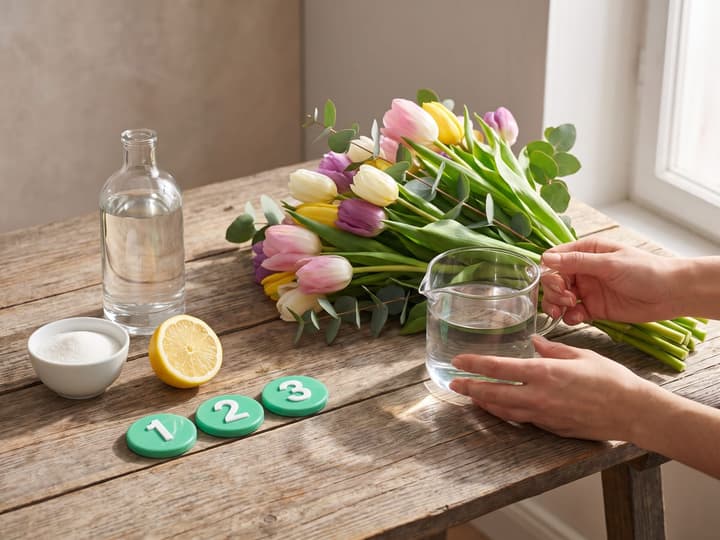
How to keep your cut flowers fresh

Cut flowers lose their nutrients quickly and can wilt fast. You can make your beautiful bouquet last much longer. This simple guide will show you how to do it.

L’histoire des mots

Mots · 27 novembre

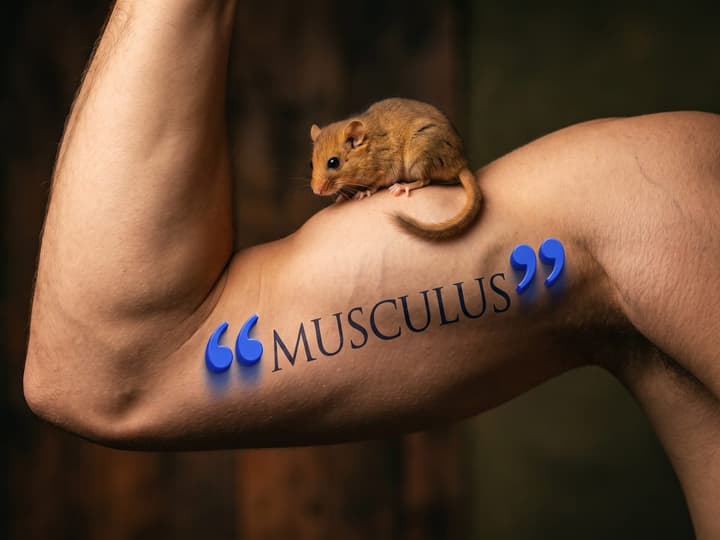
Why do muscles mean little mice?

Why do we use the word "muscle" today? Its original Latin meaning is actually "little mouse".

Espace · 26 novembre

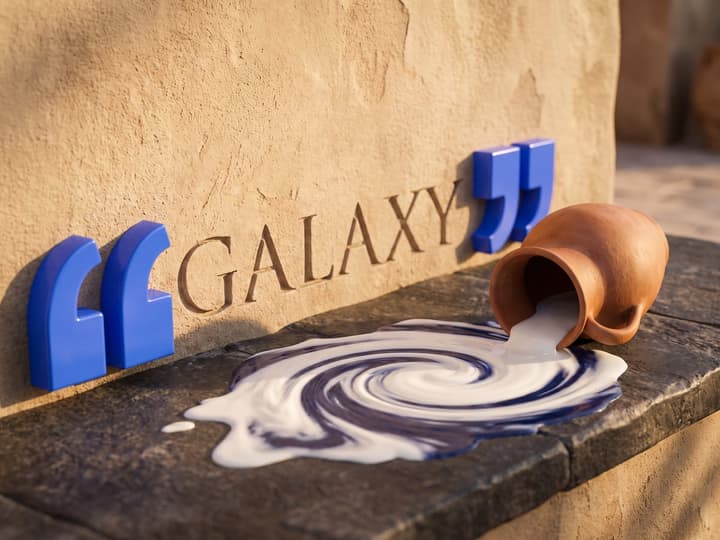
Why a galaxy is actually about milk

Did you know that the word "galaxy" is actually about milk? This beautiful space term has a very surprising dairy history.

Mots · 24 novembre

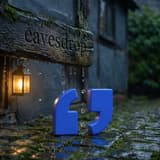
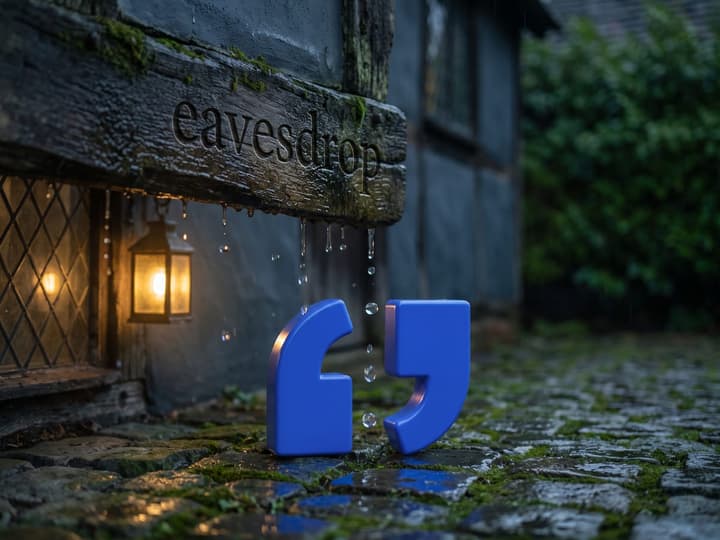
Why does listening in secret involve rain?

Why does the word "eavesdrop" relate to a roof dripping in rain?

Cuisine · 22 novembre

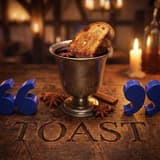
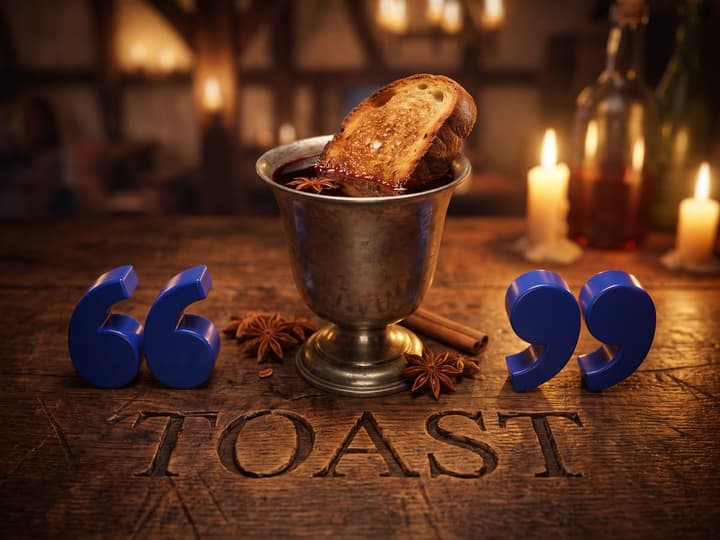
Why do we say toast to celebrate?

We say "toast" when we raise a glass to celebrate someone. But why do we name a happy drink after warm bread?

Mots · 20 novembre

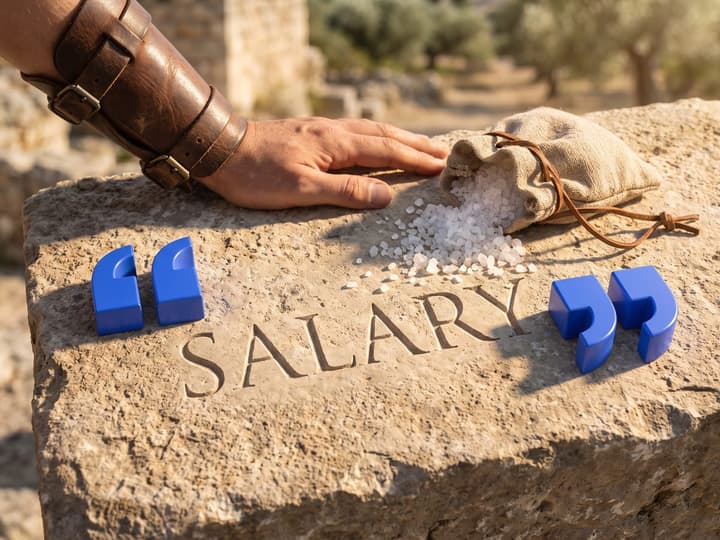
Does your salary really come from salt?

Do you know the word "salary"? People say Roman soldiers received salt as pay. However, this popular story is actually a myth.

Mots · 20 novembre

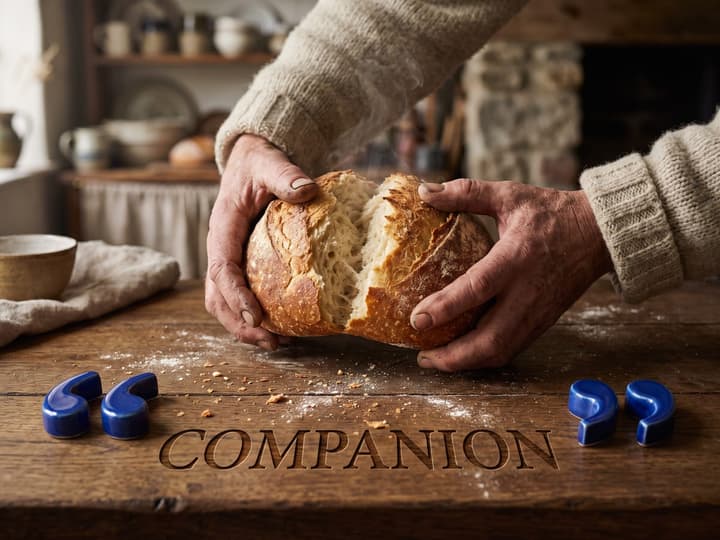
The delicious origin of the word companion

Do you have a "companion" in your life? This common word has a very delicious history.

Mots · 19 novembre

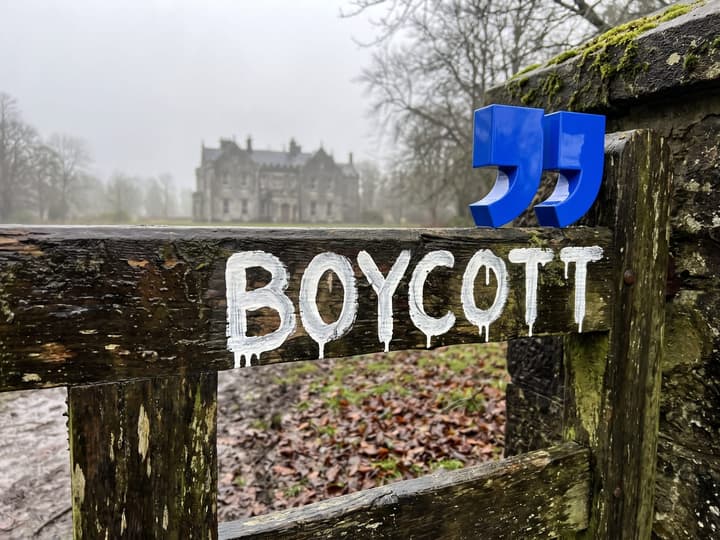
Why do we say boycott?

The word "boycott" comes from a very unpopular British man. His name was Charles Boycott.

Mots · 18 novembre

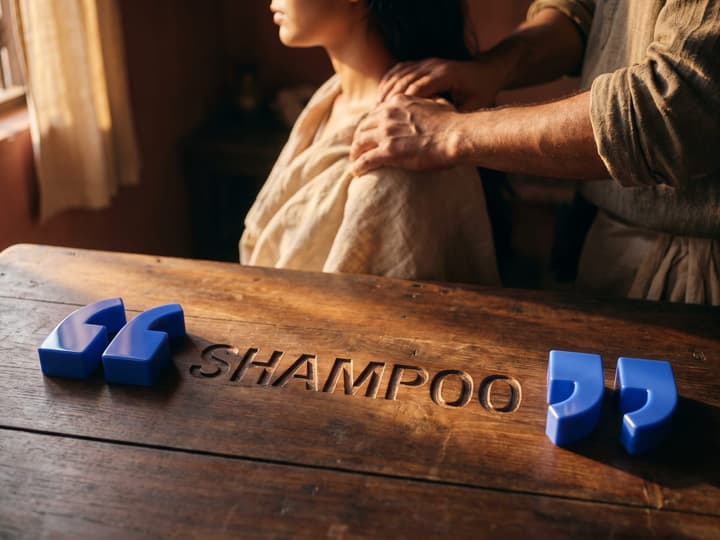
Where does the word shampoo come from?

The word "shampoo" originally had nothing to do with soap. It did not mean washing your hair.

Argent · 17 novembre

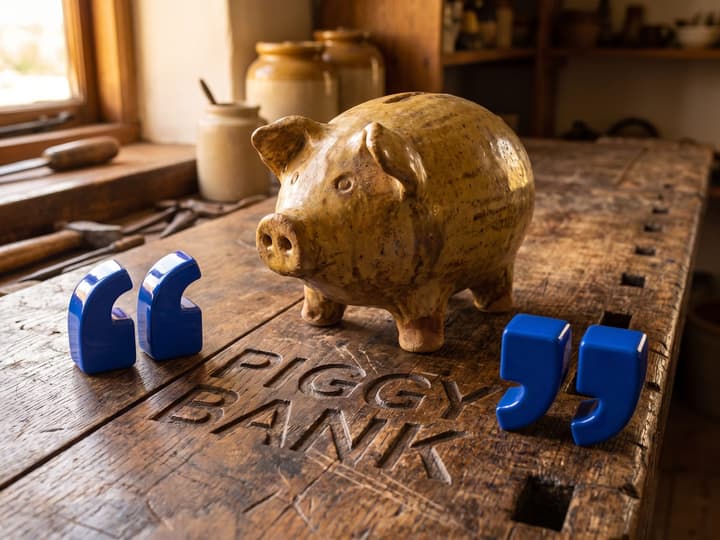
The real story behind the piggy bank

The popular story of the "piggy bank" is actually a myth. Many believe a linguistic mix-up created these famous pig-shaped coin containers.

Mots · 17 novembre

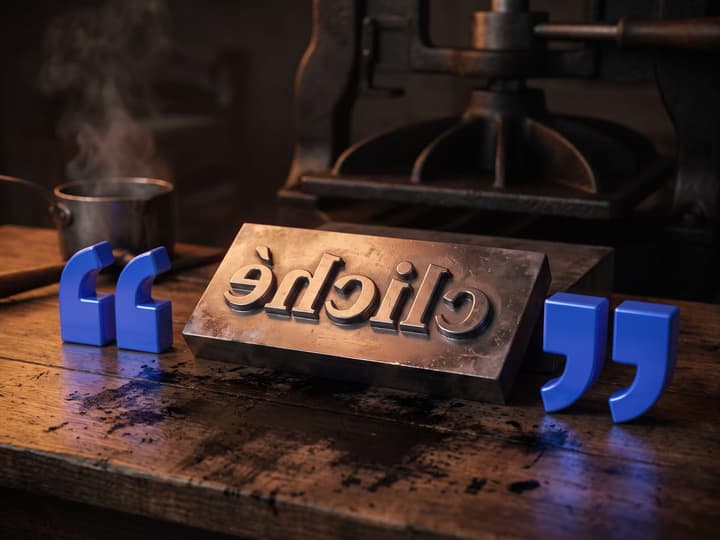
The noisy printing history of cliché

Did you know that "cliché" was originally just a sound? It came from a noisy printing machine.

Mots · 16 novembre

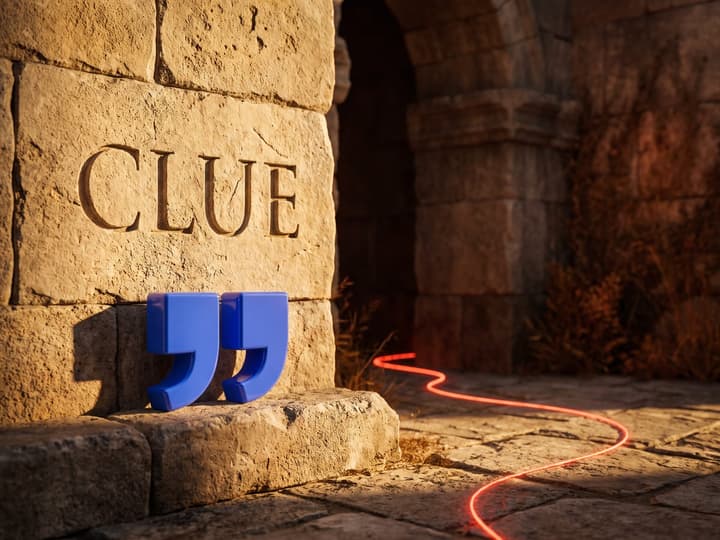
Why do we search for a "clue"?

Do you search for a "clue"? This word comes from an ancient Greek myth about a monster.

Histoire · 16 novembre

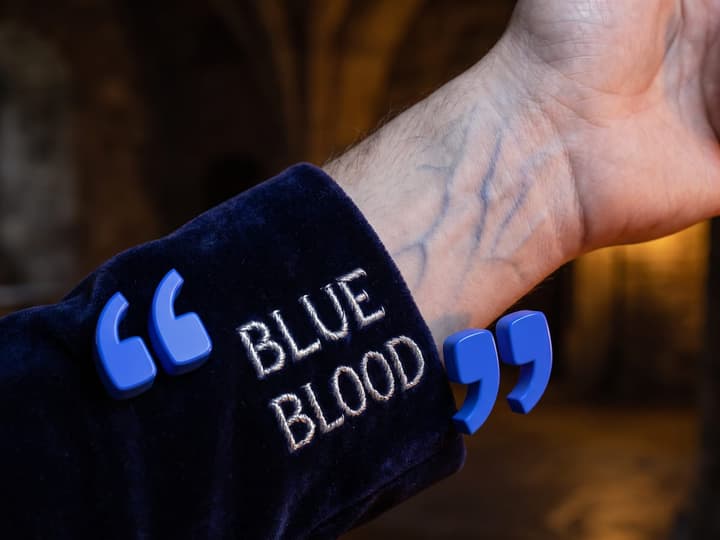
Why do we say blue blood?

Why do we call aristocrats "blue blood"? It started with Spanish nobles who wanted to prove their ancestry.

Du nouveau à lire chaque jour

Les publications « En bref » sont de petites histoires dans un anglais clair et courant. Chacune tient en quatre à six écrans courts sous un dessin : un fait étonnant, une idée reçue à vérifier, une astuce pratique ou l’histoire cachée derrière un mot. Vous en lisez une en une minute environ, alors il reste toujours du temps pour une autre.

Chaque publication cite les sources à partir desquelles elle a été écrite. Parmi celles de cette semaine : Merriam-Webster, Smithsonian Magazine, Online Etymology Dictionary, Encyclopaedia Britannica, Britannica, The Guardian, Live Science, BBC, NASA, University of Iowa Hospitals & Clinics.

De nouvelles publications paraissent chaque jour sur douze sujets, de l’espace et de la nature à la cuisine, à l’argent et à la psychologie. Elles sont écrites pour les apprenants, avec des phrases courtes et des mots de tous les jours : vous lisez pour le plaisir et vous apprenez au passage de nouveaux mots d’anglais.

Comment lire « En bref » dans Lingard

Les publications « En bref » vous attendent dans une rangée de cercles de votre bibliothèque, les plus récentes en premier. Ouvrez-en une et lisez-la en une minute environ, une image et quelques phrases courtes à la fois. Touchez un mot que vous ne connaissez pas et Lingard vous en donne le sens dans votre langue ; il suffit de toucher une phrase pour la traduire en entier, et chaque phrase peut être lue à voix haute.

Enregistrez les mots que vous voulez retenir : ils reviennent sous forme de cartes juste avant que vous ne les oubliiez. Aimez une publication ou passez-la, et les suivantes s’adaptent à vos goûts ; masquez un sujet qui ne vous intéresse pas et il cesse d’apparaître. Les sujets des livres que vous lisez partent avec une longueur d’avance.

Questions sur « En bref »

Pourquoi lire des anecdotes en anglais ?
Une question dont vous voulez connaître la réponse vous fait lire jusqu’au bout, et une minute se trouve facilement. Une publication par jour installe l’habitude, et les mêmes mots de tous les jours reviennent dans des publications sur des sujets très différents.
Les faits sont-ils vrais ?
Chaque publication est écrite à partir de pages de sites fiables, comme des musées, des universités, des dictionnaires, des agences spatiales et des magazines scientifiques, qu’elle cite à la fin. Un mythe est d’abord raconté tel que les gens y croient, et la réponse vient juste après.
Puis-je lire « En bref » gratuitement ?
Oui. Une publication par jour est gratuite, dans l’application Lingard et sur lingard.app, avec tous les outils pour les mots et les phrases. Pro donne accès à toutes les publications.

Lisez la publication en entier

Ouvrez n’importe quelle publication dans Lingard pour toucher ses mots et voir leur sens, traduire une phrase et l’écouter lue à voix haute.

Commencer à lire gratuitement

Autres langues : Anecdotes en espagnolAnecdotes en allemand