Creativity is celebrated as a crucial skill in today's fast-paced world, driving innovation and new ideas across various sectors. However, the current understanding of creativity in contemporary society deserves a thorough critique to address its application, implications, and the challenges it encounters.
1. Expansion of Definition
Creativity has transcended its traditional boundaries that once limited it to artistic fields such as painting, music, or literature. In the contemporary view, creativity is recognized across diverse fields, including science, technology, and business. While this broader definition enriches our understanding, it also complicates how creativity is recognized, measured, and nurtured across different disciplines.
2. Creativity as a Driver of Innovation
In modern economies, creativity is often synonymous with innovation, particularly in the tech and business sectors. This alignment suggests that creativity is valuable mainly for its economic benefits, potentially overlooking the personal and societal enrichment it offers. Such a perspective risks reducing creativity to a tool for commercial success rather than a multifaceted human trait.
3. Creativity in Education

There is a significant push within educational systems worldwide to foster creativity from an early age. Schools are integrating creative thinking into their curricula to prepare students for a dynamic world. However, the challenge is to cultivate creativity without making it another metric of academic performance, which could paradoxically stifle creative development in students.
4. Impact of Digital Technology

Digital technology has revolutionized the creation and distribution of creative works. Tools that enhance creativity are more accessible, allowing more people to share their work globally. However, this ease of access also raises concerns about the saturation of creative content and the challenge for truly innovative or high-quality works to gain recognition.
5. The Commercialization of Creativity
In many sectors, creativity is heavily commercialized, tied to the generation of products and profits. This commercial angle can pressure creators to prioritize output over the quality or originality of their work, potentially leading to a homogenization of creative outputs where financial considerations outweigh creative integrity.
6. Wellness and Mental Health
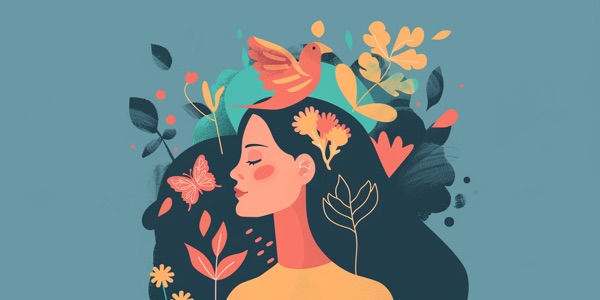
The demand for constant creativity and innovation can take a toll on individuals' mental health, leading to what is often termed as ‘creative burnout'. There is a need for a balanced approach that allows for creative expression without the relentless pressure to produce. Ensuring periods of rest and mental recuperation is crucial for sustaining long-term creative energy.
 Lingard

 10 Ways to Share Your Creativity and Get Discovered
 Summer Photography: Tips for Shooting, Editing, and Storing
 10 Things Nobody Told You About Being Creative
 Green Book: What the Film Teaches Us
 The Devil Wears Prada: What the Film Teaches Us
 Cutting Down on Coffee? Why Your Dreams May Feel Stronger
 The Secrets of Oppenheimer: What the Film Really Tells Us
 The Secrets of Tenet: What the Film Really Tells Us
 The surprising foods that lead to better sleep
 How noise sensitivity disrupts the mind, brain and body
 Sourdough vs White Bread: What Should We Be Eating?
 What You Didn't Know About Japan