
Addictions can have a profound and lasting impact on both mental and physical health. Recognizing, understanding, and finding ways to combat these dependencies are crucial steps towards leading a fulfilling life. Here's a detailed insight into the topic:
1. Understanding Addictions

An addiction is not just a "bad habit." It is a physical or psychological need to use a substance or engage in a specific behavior, despite knowing its harmful effects. From substances like alcohol and drugs to behaviors like gambling or excessive internet usage, addictions can vary.
2. Physical Impact of Addictions

Dependencies, particularly substance abuse, can lead to a host of health problems:
- Alcohol abuse might cause liver diseases, digestive problems, and cardiovascular diseases.
- Drug use can affect the brain, heart, and lead to respiratory issues, among other complications.
- Tobacco use is linked to lung diseases, including cancer.
3. Psychological Impact
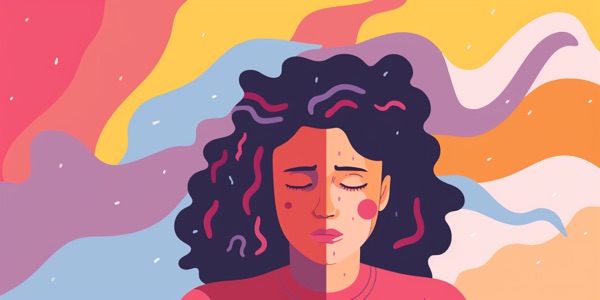
Over time, addictions can lead to:
- Depression and anxiety
- Decreased ability to handle stress
- Decreased motivation and focus
- Relationship problems due to erratic or violent behavior
4. Breaking the Cycle

Recognizing the problem is the first step. Some strategies to combat addiction include:
- Detoxification: This often involves removing the addictive substance from the body and can be the initial step for drug and alcohol addictions. Medical supervision is crucial.
- Behavioral Counseling: Counseling can help identify the root causes of addiction and provide strategies to change unhealthy behaviors.
- Medication: Some drugs can help reduce cravings or address underlying mental health disorders.
5. Finding Support

Building a support system is vital:
- Support groups: Groups like Alcoholics Anonymous provide a platform for people to share their experiences and support each other.
- Therapy: Professional therapists can offer coping techniques and cognitive behavioral therapy to address addiction.
- Family and friends: Loved ones can be instrumental in an addict's recovery journey, offering emotional support and understanding.
6. Preventing Relapse

Maintaining a life free from addiction requires continuous effort. Regular therapy sessions, joining support groups, and developing healthy habits and routines can significantly reduce the chances of a relapse.
7. Emphasizing Education

Prevention is often the best cure. By educating youngsters about the potential dangers of drugs, alcohol, and other addictive behaviors, society can reduce the number of new addiction cases.
 Lingard

 How Long Can You Stay Awake? Exploring the Limits of the Human Body
 Health in the Workplace: Strategies for Well-being
 Cutting Down on Coffee? Why Your Dreams May Feel Stronger
 The surprising foods that lead to better sleep
 Should we all be taking vitamin supplements?
 Sourdough vs White Bread: What Should We Be Eating?
 How noise sensitivity disrupts the mind, brain and body
 What body odour reveals about your health
 You're busy, but not tired? Maybe you just forgot what real rest feels like
 Yoga Basics for Beginners: Nurturing Body, Mind, and Spirit
 Taking Care of Your Mind: Mental Health and How to Maintain It
 Oral Health and Dental Care: Maintaining a Healthy Mouth and Dental Prevention