
Mastering the art of concise communication is crucial for making effective pitches and presentations. In a world where attention spans are shortening, the ability to convey your message succinctly can make a significant difference in capturing and retaining your audience's interest. Here are some strategies to help you say less while getting more from any pitch or presentation.
1. Focus on Key Messages

Identify the core messages you want to communicate before you begin crafting your presentation. Distill these down to two or three main points. This focus will not only help you stay on track but also ensure that your audience can easily follow and remember the most important information. Avoid the common pitfall of trying to cover too much, which can lead to a cluttered and less impactful presentation.
2. Use Simple Language

Complex vocabulary and jargon can alienate or confuse your audience. Use simple, clear language that is easy to understand. This approach helps ensure that your message is accessible to a broader audience, regardless of their background or expertise. It also reduces the risk of misunderstandings and enhances the overall clarity of your presentation.
3. Structure Your Presentation Logically

A well-structured presentation helps the audience follow your argument or story more easily. Start with an introduction that outlines what you will cover, proceed with the body where you discuss your main points, and conclude with a summary that reinforces your key messages. This structure not only makes your presentation easier to follow but also more memorable.
4. Use Visuals Wisely

Visual aids like slides, charts, and graphs can be highly effective in reinforcing your message, but they should be used sparingly. Ensure that each visual is clear, relevant, and adds value to your presentation. Overloading your presentation with too many visuals or too much text on slides can distract or overwhelm your audience.
5. Practice the Art of Pausing

Pausing at key moments can give your audience time to absorb the information and anticipate what's coming next. It also allows you to gather your thoughts and emphasize important points. Strategic pauses can make your presentation more engaging and dynamic, enhancing the overall impact of your message.
6. Engage with Your Audience

Interacting with your audience can make your presentation more engaging and less monotonous. Ask questions, invite feedback, or include a brief interactive activity. This engagement helps maintain the audience's attention and makes the experience more memorable for them. It also allows you to gauge their understanding and adjust your pitch accordingly.
 Lingard

 Green Book: What the Film Teaches Us
 The Devil Wears Prada: What the Film Teaches Us
 Cutting Down on Coffee? Why Your Dreams May Feel Stronger
 The Secrets of Oppenheimer: What the Film Really Tells Us
 The Secrets of Tenet: What the Film Really Tells Us
 The surprising foods that lead to better sleep
 How noise sensitivity disrupts the mind, brain and body
 Sourdough vs White Bread: What Should We Be Eating?
 What You Didn't Know About Japan
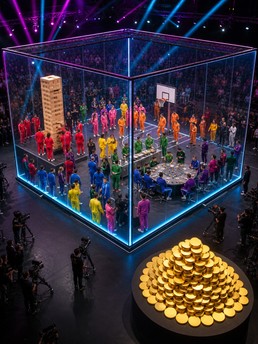 Challenge: 50 of the Most Popular Bloggers Compete for One Million Dollars for Their Subscribers
 You're not burned out. You're just living on pause
 You're busy, but not tired? Maybe you just forgot what real rest feels like