
Effective communication becomes even more crucial when the stakes are high. Whether dealing with personal relationships, professional settings, or critical negotiations, mastering the art of navigating these conversations can lead to better outcomes and stronger relationships. Here are five essential tools for talking when stakes are high, explained in detail.
1. Stay Calm and Composed

Maintaining your composure during high-stakes conversations is crucial. When emotions run high, it's easy to become reactive, which can escalate the situation. Practice deep breathing techniques to help regulate your emotions and pause before responding to collect your thoughts. Keeping your voice steady and calm can help diffuse tension and set a positive tone for the conversation. Speaking slowly and clearly conveys confidence and control, making it easier to manage the conversation effectively.
2. Listen Actively

Active listening is about fully engaging with the speaker and understanding their message beyond just the words. Show that you are listening by maintaining eye contact, nodding, and using facial expressions that reflect your understanding and empathy. Paraphrase or summarize what the other person has said to confirm your understanding and let them finish their thoughts without interruption. This not only shows respect but also helps you fully grasp their perspective before responding.
3. Clarify and Paraphrase

Clarifying and paraphrasing are techniques that ensure you understand the other person correctly and that they feel heard. Use open-ended questions to gather more information and repeat back what you've heard in your own words to confirm your understanding. After paraphrasing, ask if your interpretation is correct. This process helps to prevent misunderstandings and shows the other person that you are actively engaged in the conversation.
4. Focus on Interests, Not Positions

Shifting the focus from positions (what people say they want) to interests (why they want it) can help find mutually beneficial solutions. Ask questions to uncover the underlying needs and motivations, and be open to exploring multiple solutions that address the interests of both parties. Look for common interests and goals that both parties can agree on, which helps in creating solutions that are acceptable to everyone involved. This approach fosters cooperation and a more productive dialogue.
5. Use “I” Statements

Using “I” statements helps you express your thoughts and feelings without blaming or accusing the other person, fostering more constructive dialogue. Start with "I feel…" to communicate your emotions clearly, followed by a specific behavior you've observed and the impact of that behavior. For example: I feel frustrated when meetings start late because it disrupts my schedule. Finally, offer a constructive suggestion, such as: Could we agree to start meetings on time? This method helps to communicate your perspective clearly and respectfully, reducing defensiveness and opening up a more positive conversation.
Conclusion

Mastering high-stakes conversations requires a blend of emotional regulation, active listening, clear communication, and respect. By staying calm, listening actively, clarifying and paraphrasing, focusing on interests, and using "I" statements, you can navigate these challenging discussions more effectively. These tools help in resolving conflicts, building trust, and fostering stronger relationships in both personal and professional contexts.
 Lingard

 People don't remember slides. They remember how you made them feel
 Unlocking the Power of Nonverbal Communication
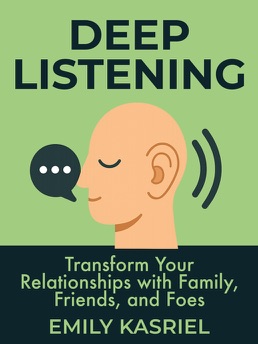 Deep Listening
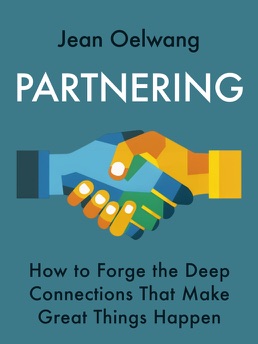 Partnering
 Surrounded by Narcissists
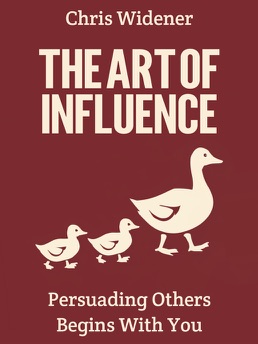 The Art of Influence
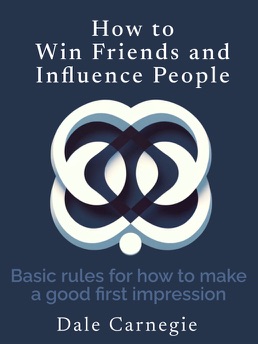 How to Win Friends & Influence People
 Green Book: What the Film Teaches Us
 The Devil Wears Prada: What the Film Teaches Us
 The Secrets of Oppenheimer: What the Film Really Tells Us
 Cutting Down on Coffee? Why Your Dreams May Feel Stronger
 The Secrets of Tenet: What the Film Really Tells Us